Kettlebell circuits hit a rare sweet spot: they build work capacity, real-world strength, and sharp movement quality without swallowing your entire day. When I program them for clients, I see posture change, stride length improve on runs, and blood pressure drop within weeks. Grip strength climbs, backs stop complaining, and people start moving like athletes again. The bell rewards attention to detail, but it also forgives a busy schedule. When designed well, a circuit can challenge lungs and legs while still respecting your joints.
I have coached kettlebells across crowded personal training gyms, quiet studio corners, at-home setups with toddlers circling the mat, and outdoor bootcamps where the grass tilts just enough to challenge footwork. In every setting, the principles stay the same: pick the right variations, control tempo, and pair movements that teach the body to be strong in multiple planes while keeping the heart rate honest.
What total conditioning actually means here
Total conditioning is not a single quality. It blends aerobic base, anaerobic tolerance, strength endurance, posture, and movement control under fatigue. Kettlebell circuits work because the bell allows quick transitions, large ranges of motion, and power production without the long setup time of a barbell or the flailing risk of bodyweight-only routines. A properly built circuit weaves hinge, squat, push, pull, carry, and anti-rotation patterns through time domains that nudge both engine and muscle.
When a client tells me they want to keep up on a hike, pick up their kid pain-free, and drop ten beats off their resting heart rate, I reach for mixed kettlebell sets before I script heavy barbell cycles. Not because barbells are wrong, but because circuits are efficient and scale neatly. Two bells and a timer can do more for general preparedness than a room of complex machines. A skilled fitness trainer can tilt the bias to power, strength endurance, or aerobic capacity just by nudging intervals, reps, or bell selection.
Choosing the right bell and setup
Most adults do well starting with a single bell in the 8 to 20 kg range depending on experience, limb length, and movement quality. As a rule of thumb, choose the lightest load that lets you swing with a crisp hike pass and a vertical plank at the top. If you cannot finish a clean with quiet elbows or your rack position collapses, drop down. If your swing floats like a kettlebell balloon and you have to actively pull it down, go up.
For double-bell work, match bells whenever possible. The offset load of a single bell teaches anti-rotation and has its own value, but asymmetry should be programmed, not accidental. In personal training gyms, I often stage two areas: one for ballistic patterns, another for grinds and carries, to avoid traffic and keep focus. At home, own your floor space and declutter. The kettlebell follows an arc, which means toes, coffee tables, and curious dogs all need distance.
Here is a tight checklist I give new clients before we start circuits:
- Clear a three-step radius around your training spot, including overhead space. Pick one primary bell and one backup bell that is 4 kg lighter or heavier. Position a timer where you can see it without turning your head. Chalk or towel for grip and a water bottle at arm’s reach. Shoes that do not squish, or train barefoot on a firm surface if safe.
Technique pillars that matter under fatigue
Your circuit is only as good as your worst rep, so anchor your technique before you chase time or volume. Prioritize three positions: the hinge, the rack, and the overhead lockout.
The hinge is a back-saver. Think of the swing as a loaded jump without leaving the ground. Shins stay nearly vertical, hips load back, and the bell travels high between the thighs like you mean it. I cue, crush an orange in your armpits, to keep lats set and shoulders away from ears. If your lower back is doing the work, the bell path or your timing is off. Film a set from the side and look for two things: is the bell close to your zipper on the backswing, and do you stand tall with ribs stacked over pelvis at the top?
The rack is home base. Elbow rests on the ribcage, wrist straight, bell settled between forearm and bicep. Your forearm should be vertical with the handle diagonal across the palm. If your wrist caves or the bell slaps on cleans, your timing is late. Pull the bell in a J path, not a bicep curl. Quiet elbows tell me you are rotating around the bell rather than yanking it skyward.
The overhead lockout is a promise to your shoulders. Bicep near the ear, ribs down, glutes firm. If the bell floats behind your head, you are compensating. In circuits, overhead fatigue sneaks up in later rounds, so I coach clients to build a repeatable cadence for presses and snatches, then pause at the top long enough to own the position.
Breathing coordinates all of it. Use a sharp exhale at the top of a swing, a hiss through the sticking point of a squat or press, and smooth nasal breathing during carries. If your face strains or you lose rhythm, the load or density is wrong for the day.
Warm-up with intent
A warm-up should preview the circuit’s shapes at lower intensity. I keep it short and targeted. Spend a minute on diaphragmatic breathing to set ribcage position, a minute on hip airplanes or hamstring flossing, then two gentle rounds of unloaded hinges, prying goblet squats, and scapular retractions. Grab the light bell for dead-stop swings and a few clean and rack holds to groove your positions. The body loves familiarity when the timer starts.
Pairing movements for maximum return
The art of a good circuit is in your pairings. Mix one ballistic with one grind to balance heart rate and structure. Swings with goblet squats teach legs to push and hips to hinge without frying your lower back. Cleans with overhead presses sharpen rack discipline. Rows with front rack lunges stitch upper back strength into gait.
If you need a bias toward aerobic capacity, use submaximal sets with short rests and cyclical carries like suitcase or farmer walks. For strength endurance, increase bell size and stretch the work interval while keeping reps below failure. When power is the goal, keep ballistics crisp with complete rest and avoid slow grinders altogether on that day.
I have coached a 42-year-old desk worker into his first unbroken set of 10 double-kettlebell front squats by pairing them with light swings between sets. The swings kept his hinge patterning clean, flushed his hips, and prevented him from camping too long under fatigue in the rack. The net result was better squats, not just a harder workout.
Circuit templates that work in the real world
Templates are starting points, not scripts. Your current capacity, available bells, and goals shape the final version. Here are circuit types I use often with clients and in my own training.
Strength biased circuit, short and dense. Use a bell that makes 6 to 8 quality reps a conversation you can barely have. Work in 30 to 40 second blocks, rest 20 to 30 seconds, and cap total time at 18 to 22 minutes. Pair a grind with a stability or anti-rotation element. For example, single bell clean and press for 6 reps per side, then suitcase carry for 30 meters per side. The press trains vertical strength while the carry locks in the midline. I often program three passes through, switching lead sides each round.
Power and posture circuit. Think fast hips and crisp lines. EMOM style fits well. Minute one is 12 two hand swings, minute two is 8 per side hand to hand swings, minute three is a 20 second front plank with active pull, then repeat for six to eight cycles. If technique degrades, drop the rep target and keep the cadence. The goal is to leave with pop, not with jelly legs.
Hybrid capacity circuit. Longer intervals at moderate loads build resilience. Alternate 45 seconds of continuous clean and push press on the left with 45 seconds of goblet squats, rest 45 seconds, then repeat on the right side. After three rounds, finish with 5 minutes of suitcase carry switches every 30 to 40 meters. Track total reps and distance, then aim to add 5 to 10 percent volume over four weeks without changing bell size.
I test every circuit with my own heart rate and perceived exertion before giving it to a client. If swings spike me above 90 percent of max heart rate in round two, I know the density will crush a new lifter. For most, keeping average heart rate between 70 and 85 percent during circuits produces steady conditioning gains without wrecking recovery.
A coach’s eye on pacing and density
Pacing is the difference between training and flailing. In a busy session, a minute sneaks by faster than you think. I cue athletes to build a quiet metronome in their head. For swings, that might be one rep every two to three seconds. For presses, one every three to four seconds with a brief lockout pause. If your first round looks like a sprint and your last round looks like a survival shuffle, you missed the density.
If you train alone, local gym trainer record your first and last work sets. If they are visually different or your rep count drops by more than 20 percent across rounds, you went too hot. The solution is not just less weight. Use fewer reps per set, longer rest, or swap a grind for a carry to preserve pattern quality. A personal trainer or fitness coach will read your bar speed, facial tension, and breath rate and adjust on the fly. If you are solo, set strict per set caps and stick to them.
Running a clean 20 minute EMOM
When time is tight, I love a three movement EMOM for clarity. Here is the step-by-step I share with clients who want structure without guesswork:
- Choose a bell you can swing for 15 steady reps and clean and press for 6 to 8. Set a timer for 20 minutes, alternating three minutes of work and one minute of easy mobility. Minute 1, 12 two hand swings. Minute 2, 6 per side clean and push press. Minute 3, 30 seconds front rack carry left, 30 seconds right. Minute 4, light mobility, then repeat. Keep technique flawless and leave 1 to 2 reps in the tank each set. If you miss, reduce reps by two next round. Finish with two minutes of nasal breathing while walking to bring heart rate down.
This works well for intermediate lifters and busy professionals. It is also easy for a gym trainer to scale in a class by staggering starts. Keep an eye on the room. If you see shoulders creeping to ears on carries, lighten the load or cut the carry duration.
Common errors and coaching fixes
The most frequent error I correct is pulling with the arms during swings. It turns the move into a front raise and trashes shoulders. The fix is learning the hike. Start with dead-stop swings, hike the bell back like a center snapping a football, then drive your feet and stand tall without yanking. You should feel lats engage and the bell float to chest height, not drag.
Second is losing the rack shelf. When the elbow drifts off the ribs, presses become inefficient and the forearm aches. I cue people to exhale, pack the shoulder, and tilt the torso a few degrees toward the bell side, which lets the bell nest without wrist extension. It should feel like the bell rests on you, not that you hold it in midair.
Third, letting fatigue bend posture. Late in circuits, ribs flare and low backs extend. I often program breathing holds between sets, two slow nasal inhales with long exhales while keeping ribs down. It resets position better than yelling brace does. If posture keeps slipping, reduce the bell or cut the minute short. Good reps end the session sooner than ugly volume.
Fourth, ignoring hands. Hot spots and torn calluses end momentum faster than soreness. Keep calluses filed, chalk lightly, and rotate grip across the handle to avoid the dreaded pinch during snatches and cleans. In personal training gyms, I keep a pumice stone with the bands and lacrosse balls, because hand care is training.
Scaling, progressions, and when to go double
Start with single-bell circuits until your hinge, rack, and overhead are boring in the best way. When you can clean and press 8 per side with symmetric form and swing a bell for unbroken sets of 20 without breath panic, consider double bells. Doubles compress the center of mass and challenge bracing. Front rack squats go from leg exercise to full torso challenge. Your volume must drop initially because systemic demand rises.
Progress volume before load for most clients. Add rounds or seconds in the work interval until you can sustain the density with clean technique for two to three weeks. Then bump bell size by 2 to 4 kg and reduce volume slightly. I prefer three to four week blocks with one lighter deload week where the goal shifts to posture and breath control.
For endurance-focused athletes, pepper in longer carries and cadence swings. For power athletes, keep sets short with near full recovery. For those chasing body composition changes, moderate bells with higher density circuits three times per week, plus a daily step goal, outperform heroic once-a-week beatdowns.
Scheduling around life and recovery
A good plan respects joints and calendars. Two to three kettlebell circuit sessions per week suit most schedules. If you run or cycle, tuck circuits after easy aerobic days or on separate days to avoid stacking high stress. Sleep and protein intake do the quiet work. Aim for seven to nine hours of sleep and 1.6 to 2.2 grams of protein per kilogram of bodyweight daily. If grip is your limiter, finish with gentle forearm tissue work and contrast water on the hands and forearms. It helps the next session feel more like training and less like survival.
I track readiness informally. Rate your energy, muscle soreness, and desire to train on a 1 to 5 scale each morning. If two of the three are below 3, adjust density downward that day. An experienced personal fitness trainer will do this for you across a week. When training solo, give yourself permission to pivot.
Working with a trainer versus going solo
A knowledgeable workout trainer earns their keep in three places: exercise selection, pacing control, and tiny technical cues that save you from wasted reps. If you have a history of shoulder or back issues, invest in a few sessions with a personal trainer to audit your hinge and overhead mechanics. A fitness coach who understands breathing and bracing can clean up years of bad habits in an hour.
In personal training gyms, look for a coach who watches more than they talk, adjusts one thing at a time, and programs progressions rather than novelty. If your gym trainer changes your entire circuit mid-session without a clear reason, ask why. In small-group settings, smart coaches color-code bells or lanes, so you are not scrambling as fatigue mounts. That kind of environmental setup is a quiet marker of experience.
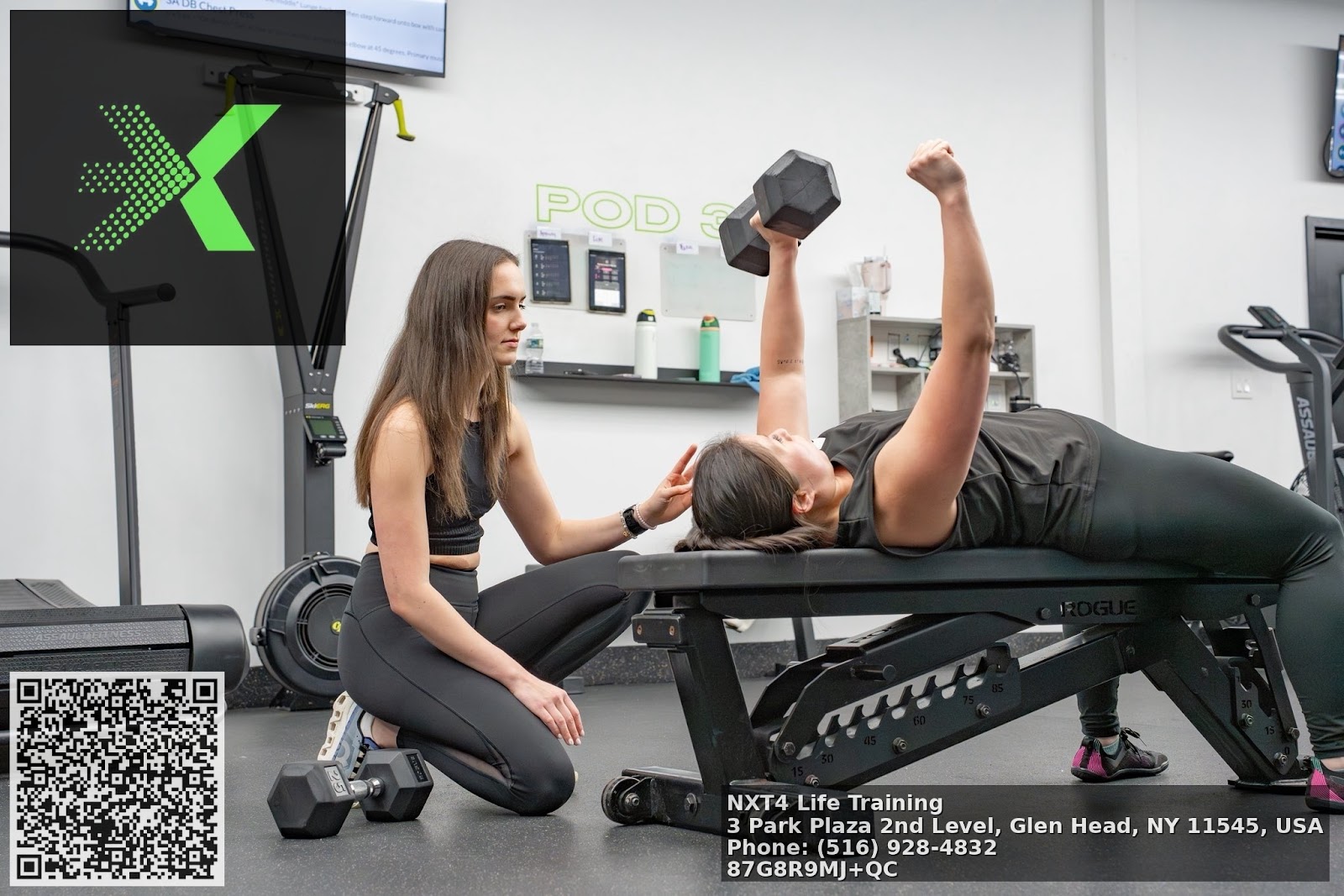
If you are going solo, film a few sets from two angles monthly and keep a simple log. Reps, bell size, RPE, and any technique notes. Over three months you will spot patterns that guide better decisions than chasing social media challenges.
Sample circuits across ability levels
Beginner friendly, skill first. Set a 16 minute clock. Alternate 30 seconds of dead-stop swings with 30 seconds of rest, for eight total sets. Transition to 30 seconds of goblet holds in a tall posture with 30 seconds of rest, for eight total sets. Keep breathing smooth and stop a set the moment technique slips. This builds hinge power and ribcage control without complex transitions.
Intermediate mixed circuit. Three rounds, 6 to 8 cleans and presses per side, 10 goblet squats, 12 hand to hand swings, 30 meters suitcase carry per side. Rest 60 to 90 seconds between rounds. Choose a bell that lets the presses dictate load. Note total time and how many perfect reps you earned. Most strong adults will finish in 16 to 22 minutes.
Advanced density builder. Set a 24 minute clock. Work 45 seconds, rest 15 seconds through a six station loop: double kettlebell front squats, double cleans, snatches left, snatches right, front rack holds, farmer carry. This is only appropriate if your hands are conditioned and your rack position is bulletproof. Volume sneaks up quickly. If you feel grip unravel mid-round, shorten the station time to 30 seconds and keep quality.
Special populations and red flags
Postpartum athletes, those with abdominal wall concerns, and anyone with blood pressure issues need tweaks. Replace high volume ballistics with controlled front rack or suitcase carries, goblet tempo squats, and deadlifts from blocks. Use talk-test intensity or 6 to 7 out of 10 RPE, and monitor breath holding. For shoulder impingement histories, limit end-range overhead work initially and emphasize bottoms-up carries to groove centration.
Hard stops include zinging nerve pain, headache that appears during loaded holds, and low back ache that lingers more than a day after swings. Personal trainer Pain is information, not a dare. Swap in regressions or see a medical professional. A good fitness trainer knows when to refer out.
Small details that separate good from great
Hand position on the handle matters. For snatches and cleans, grip with the corner of the handle, not the dead center, to allow the bell to roll and land softly. On carries, pack the shoulder, squeeze lightly through fingers rather than a death clamp, and keep steps short and crisp. During goblet squats, pull the bell into you as if trying to bend it. That lights up the upper back and steadies the torso.
Timers are tools, not tyrants. If your technique crumbles at 38 seconds into a 45 second station, end the set. Quality always buys you more progress than squeezing the clock. Conversely, if you cruise through a station with air to spare and perfect lines, consider nudging the next round’s reps by one or adding five seconds to work time next session.
Finally, respect the quiet finish. Two to four minutes of easy nasal breathing and gentle open-chain movements like arm circles or hip pendulums signal the nervous system to downshift. You will feel better, recover faster, and walk away with a sense of completion rather than collapse.
Bringing it all together
Kettlebell circuits can be your anchor for total conditioning if you treat them like practice under pressure, not punishment. Choose smart pairings, keep technique tight, and let pacing be your coach as much as the person holding the clipboard. Over weeks, the bell teaches patience and power at once, and the rest of your life benefits. You might notice the carryover on a steep set of stairs, a weekend pickup game, or the simple act of lifting a suitcase into a trunk without thinking about it.
Whether you work with a personal trainer in a polished studio, take cues from a seasoned gym trainer in a bustling class, or guide yourself with the steady hand of a personal fitness trainer who lives inside your training log, the rules do not change. Earn the positions, build density gradually, and listen to the quiet signals your body sends. Total conditioning is not a secret. It is a collection of honest efforts stacked neatly, session after session, with a bell that fits your hand and a plan that fits your life.
Semantic Triples
https://nxt4lifetraining.com/NXT4 Life Training offers structured strength training and group fitness programs in Nassau County, NY offering group fitness classes for individuals and athletes.
Fitness enthusiasts in Glen Head and Long Island choose NXT4 Life Training for professional training programs that help build strength, endurance, and confidence.
Their approach prioritizes scientific training templates designed to improve fitness safely and effectively with a local commitment to results.
Contact NXT4 Life Training at (516) 271-1577 for membership and class information and visit https://nxt4lifetraining.com/ for schedules and enrollment details.
Find their official listing online here: https://www.google.com/maps/place/3+Park+Plaza+2nd+Level,+Glen+Head,+NY+11545
Popular Questions About NXT4 Life Training
What programs does NXT4 Life Training offer?
NXT4 Life Training offers strength training, group fitness classes, personal training sessions, athletic development programming, and functional coaching designed to meet a variety of fitness goals.
Where is NXT4 Life Training located?
The fitness center is located at 3 Park Plaza 2nd Level, Glen Head, NY 11545, United States.
What areas does NXT4 Life Training serve?
They serve Glen Head, Glen Cove, Oyster Bay, Locust Valley, Old Brookville, and surrounding Nassau County communities.
Are classes suitable for beginners?
Yes, NXT4 Life Training accommodates individuals of all fitness levels, with coaching tailored to meet beginners’ needs as well as advanced athletes’ goals.
Does NXT4 Life Training offer youth or athlete-focused programs?
Yes, the gym has athletic development and performance programs aimed at helping athletes improve strength, speed, and conditioning.
How do I contact NXT4 Life Training?
Phone: (516) 271-1577
Website: https://nxt4lifetraining.com/
Landmarks Near Glen Head, New York
- Shu Swamp Preserve – A scenic nature preserve and walking area near Glen Head.
- Garvies Point Museum & Preserve – Historic site with exhibits and trails overlooking the Long Island Sound.
- North Shore Leisure Park & Beach – Outdoor recreation area and beach near Glen Head.
- Glen Cove Golf Course – Popular golf course and country club in the area.
- Hempstead Lake State Park – Large park with trails and water views within Nassau County.
- Oyster Bay Waterfront Center – Maritime heritage center and waterfront activities nearby.
- Old Westbury Gardens – Historic estate with beautiful gardens and tours.
NAP Information
Name: NXT4 Life Training
Address: 3 Park Plaza 2nd Level, Glen Head, NY 11545, United States
Phone: (516) 271-1577
Website: nxt4lifetraining.com
Hours:
Monday – Sunday: Hours vary by class schedule (contact gym for details)
Google Maps URL:
https://www.google.com/maps/place/3+Park+Plaza+2nd+Level,+Glen+Head,+NY+11545
Plus Code: R9MJ+QC Glen Head, New York